Faced with a dazzling array of alfalfa baler models on the market, many buyers feel overwhelmed. Making an informed purchasing decision requires more than just initial investment; a systematic and comprehensive evaluation is essential. The following key factors must be considered:
The primary factor is your own needs and production scale. How large is the area of alfalfa you need to bale? What is the expected operational efficiency? This directly determines the power and efficiency of the machine you require. Small family farms may be suitable for towed or small square balers, while large plantations or cooperatives may need larger, more efficient, and automated square or round balers.
Secondly, core performance and reliability are crucial. The baler’s power source (tractor-driven power take-off/PTO or self-contained diesel engine), the design of the compression mechanism, the brand of key hydraulic components, and the reliability of the knotter are all critical. Reliable knotter is worth far more than its price, preventing operational interruptions and hay waste due to frequent malfunctions. The machine’s durability and adaptability to local conditions are also paramount, requiring examination of the steel strength and rust prevention of major structural components. Secondly, consider maintenance costs and after-sales service. Baling machines are seasonal, high-intensity work equipment, and a reliable after-sales service network is like “insurance.” Inquire with the supplier about their ability to provide timely spare parts supply, technical guidance, and repair services. Also, assess the ease of routine maintenance, such as the accessibility of lubrication points and the complexity of daily maintenance procedures.
Finally, overall cost-effectiveness is key. Weigh the machine’s purchase cost, expected operating efficiency, fuel or power consumption, long-term maintenance costs, and brand premium. Sometimes, a slightly more expensive but robust, fuel-efficient, and high-performance machine may have a lower long-term overall cost than a cheaper but less reliable model. On-site visits, observing operational demonstrations, and referring to testimonials from existing users are the best ways to make the right choice.
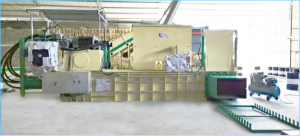
Nick Baler’s bagging machines offer a high-efficiency solution for compressing, bagging, and sealing lightweight, loose materials, including agricultural waste, sawdust, wood shavings, textiles, fibers, wipers, and biomass waste. By converting loose materials into compact, easy-to-handle bags, these machines ensure efficient storage, improved cleanliness, and minimized material loss.
Whether you’re in the livestock bedding industry, textile recycling, agricultural processing, or biomass fuel production, Nick Baler’s advanced bagging balers help streamline operations by reducing waste volume and improving material handling. With over 20 years of experience, we deliver customized solutions that enhance efficiency, durability, and automation in material packaging.
https://www.nkbaler.com
Email:Sales@nkbaler.com
WhatsApp:+86 15021631102
Post time: Dec-29-2025