Operators should carry out routine checks for the hydraulic baler every day to avoid sudden shutdowns. Meanwhile, recycling plants often run long continuous shifts. Tiny hidden faults will grow into serious breakdowns if staff ignore them for a long time. These unexpected failures can interrupt the whole waste processing line. Teams need to run inspections before startup and after daily work, covering mechanical, hydraulic and electrical parts.
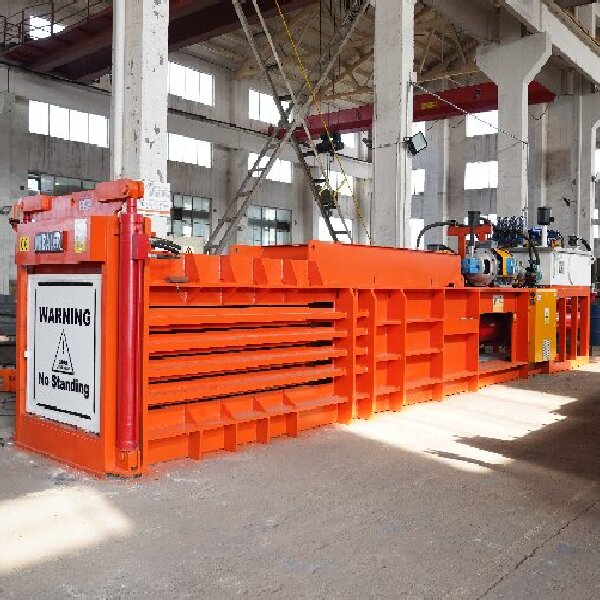
Besides, this checklist covers key components of the hydraulic baler. Operators check hydraulic lines for oil leaks and tightness of all fasteners. They examine wear on cutting blades and chamber liners, and test emergency stop buttons and safety guards. In addition, workers verify oil pressure, temperature and liquid level, and clear leftover materials inside the feeding chamber to prevent blockages.
As a result, regular daily inspections keep the hydraulic baler working steadily. Teams spot potential faults early and handle them promptly. This practice greatly reduces unplanned downtime, raises plant output and lowers repair costs and risks of delayed orders.
Nick focuses on solid waste baling equipment. We supply complete baling machines, maintenance support and spare parts for recycling enterprises worldwide, helping clients keep waste compression operations stable and efficient.
https://www.nkbaler.com
Email:Sales@nkbaler.com
WhatsApp:+86 15021631102
Post time: Sep-09-2026